The Artemis I mission occurred 50 years after Apollo 17. What will it take to not have this happen again?
Another round of travel journals for a visit to the beautiful Cotswold region of England.
Santa Claus. Father Christmas. Kris Kringle. St. Nicholas. Papa Noel. Me.
“13 Minutes to the Moon” – an excellent BBC podcast focusing on the behind-the-scenes heroes of Apollo 11 and Apollo 13.


The space exploration advocacy website of Roger Balettie, former Flight Dynamics Officer in NASA’s Space Shuttle Mission Control Center.
Select a menu tab to the left for detailed links or one of the main sections below:
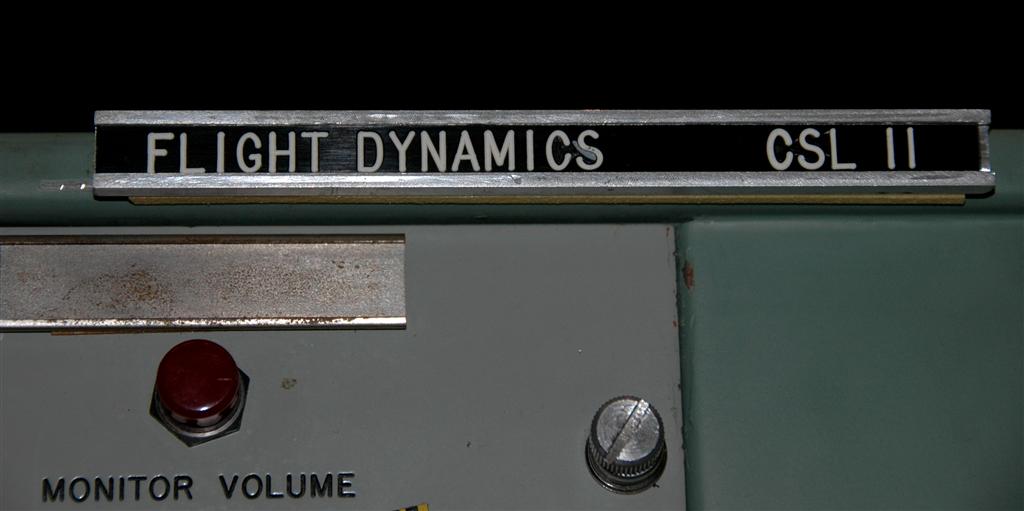
The Flight Dynamics Officer (FDO, pronounced “fido”) is a Flight Controller in the Mission Control Center responsible for the overall trajectory, or flight path, of the Space Shuttle and all related payloads or other space-bound vehicles associated with the Shuttle.
"Houston… Tranquility Base here. The Eagle has landed."
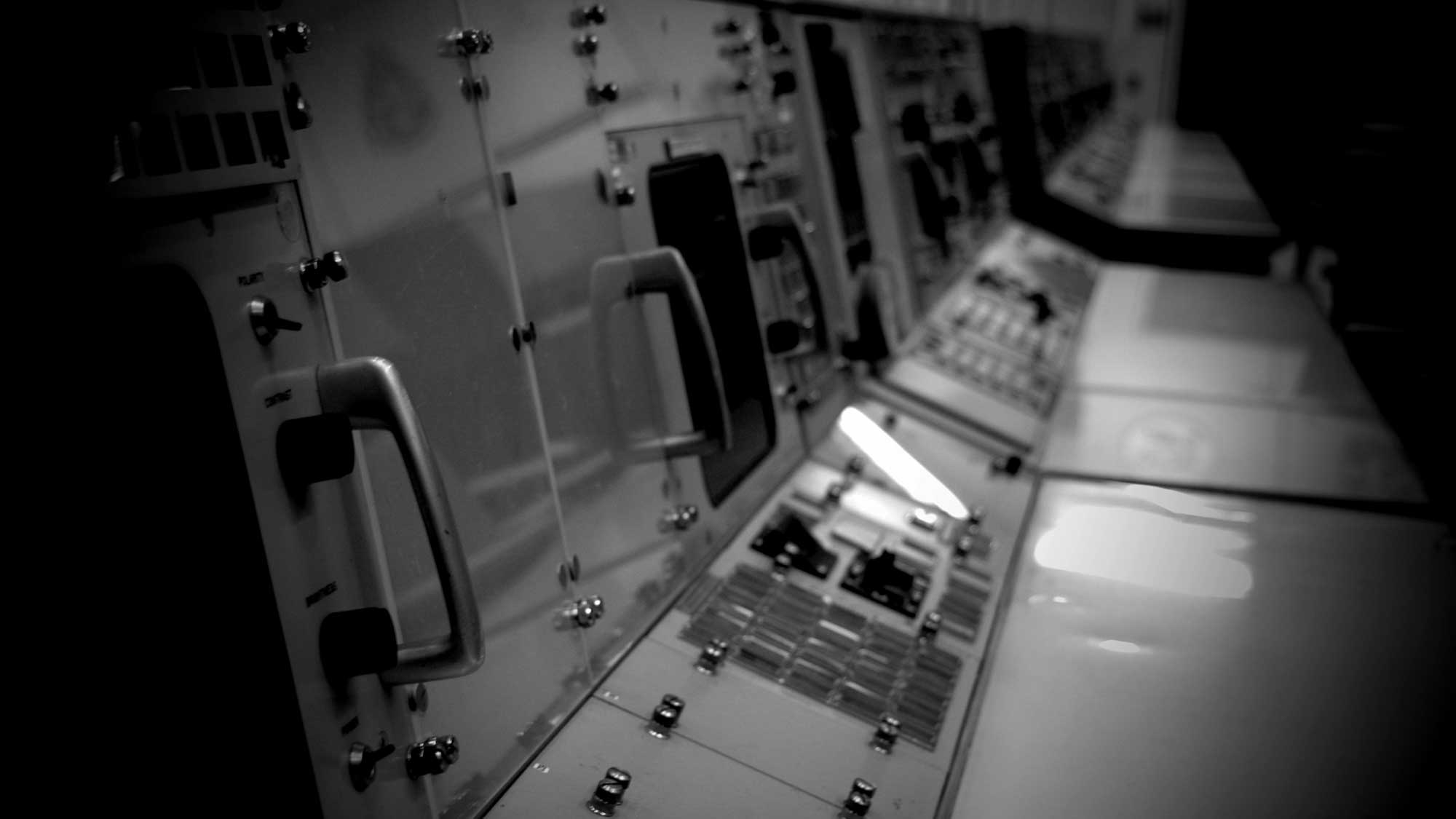
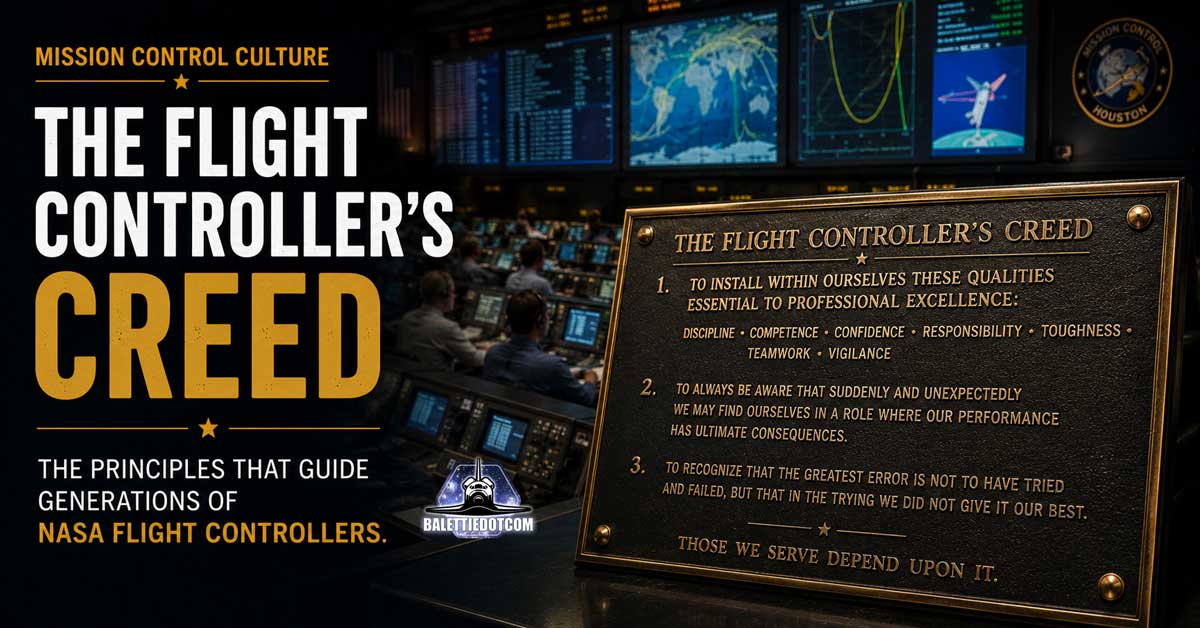
Since 1965, the Mission Control Center (MCC) has been the nerve center for America’s manned space program.
Space- and NASA-based blog entries.
The Artemis I mission occurred 50 years after Apollo 17. What will it take to not have this happen again?
“13 Minutes to the Moon” – an excellent BBC podcast focusing on the behind-the-scenes heroes of Apollo 11 and Apollo 13.
It’s been 40 years since the launch of STS-1, and the excitement of that day never faded.

is the space exploration advocacy website of Roger Balettie, former Flight Dynamics Officer in NASA’s Space Shuttle Mission Control Center.
It is shortsighted of us as a collective humanity to think that we will be able to contain ourselves to this planet. It only takes a clear, starry night to prove to a person that there is so much more out there than this “Pale Blue Dot” , to quote the late Dr. Carl Sagan.
The awe and wonder of seeing a Shuttle launch, watching old Apollo footage, or just staring up at the night sky prove to me, beyond a shadow of a doubt, that space exploration will be man’s last, best destiny.
Humanity was not meant to stay still. We are meant to explore.
Finding something better for our children, our grandchildren, and the countless generations to come will be the legacy that we are called to leave.
If you haven’t done your part, it’s time to take action!
NASA and the space exploration push as a whole is constantly under fire from organizations, politicians, and individuals who don’t realize the benefits from space exploration.
As a nation and a planetary species, the exploration of space and other worlds will provide a unifying force… a sense of direction and purpose… and a technologically-advancing forcing function that can only be a positive influence in this insane and self-centered culture that permeates society.

So… you want to be a
Flight Controller?
Learn about NASA’s Mission Control Center and the men and women who are the heartbeat of manned spaceflight.

Read about what the Flight Dynamics Officer did for all phases of Shuttle missions, from launch to landing.

What was the FDO looking at sitting in the Mission Control Center?
A number of Space Shuttle-era displays are presented to show how the FDO managed the Space Shuttle trajectory operations through Ascent, Orbit, and Entry displays.

Sometimes it’s current news, sometimes it’s just my opinion… Feel free to read and comment on them.
I was five years old when Apollo 11 landed on the Moon.
That year, for Christmas, I received a spacesuit and helmet… I still have the picture and remember how much I loved them.
From that point on, I was determined to do something space-related. Years of schooling later, Aerospace Engineering degree firmly-in-hand, I was off to NASA!
I was fortunate enough to live my life-long dream and have a 12 year career with NASA as an Orbit, Deploy, and Rendezvous Flight Dynamics Officer (FDO) working in the Space Shuttle Mission Control Center (MCC).
The FDO (pronounced “FDO”) is the primary MCC Flight Controller responsible for the overall trajectory of the manned vehicle and the target vehicle(s). When I was a FDO, that was the Space Shuttle and various payloads, including the Russian space station Mir.
I started work at NASA’s Johnson Space Center three weeks and two days prior to the STS-51L accident that resulted in the loss of Challenger and her crew.
The period that followed left an indelible mark on my life as I was able to be a part of the recovery as the entire NASA community came together as a family, solved the problems, and returned to space.
The links below cover a range of topics, from specific information on “What is a FDO?” to some information on life and operations in the MCC to various essays and tributes…
Thanks… and drop me a line sometime!
What is a FDO?
– Ascent
– Orbit
– Entry
My last day on console
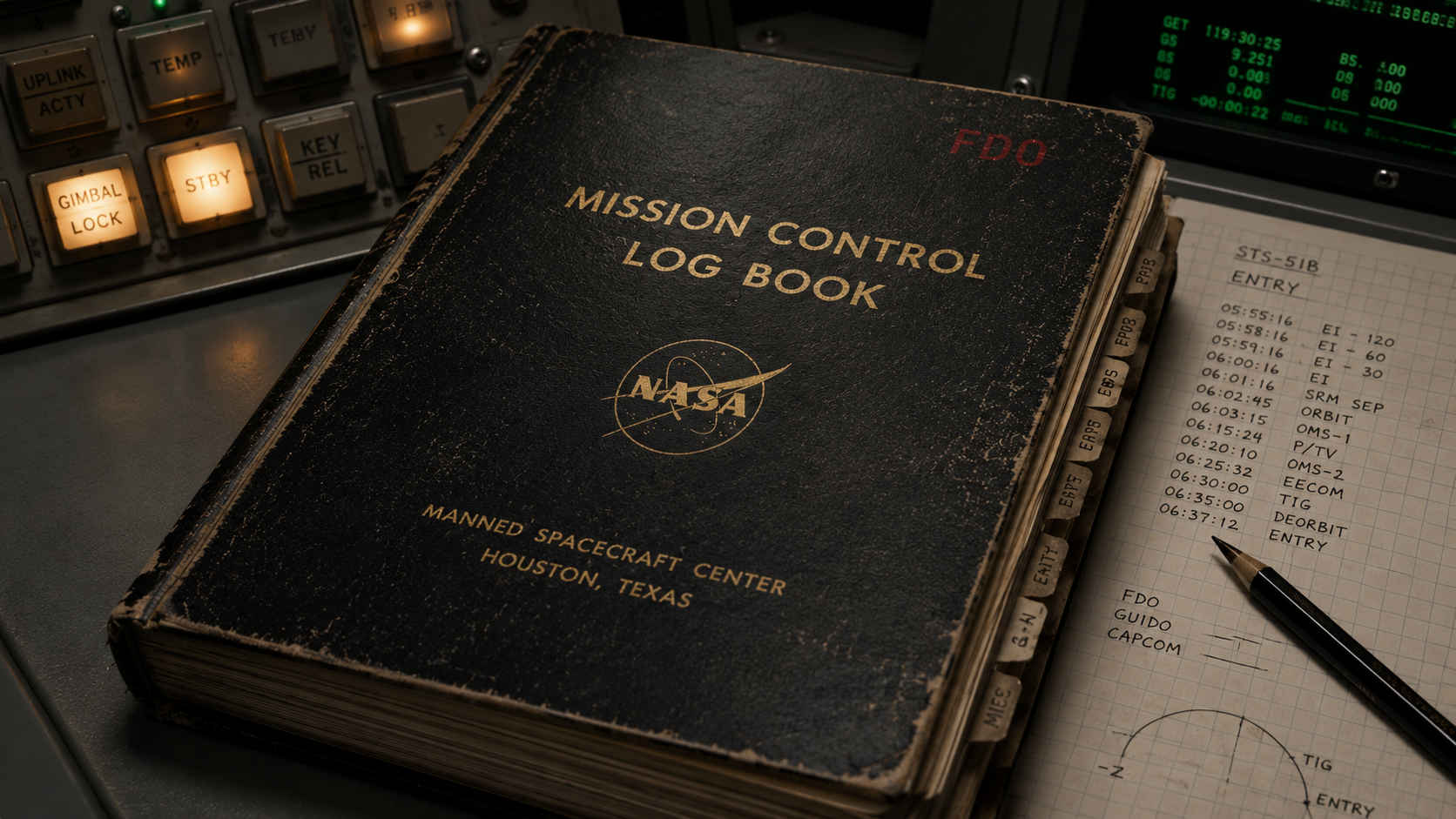
My last FDO Log Book entries
Reflections on my career
STS-76: Letters from the Lead FDO
Remembering Discovery
The Cathedral of Manned Spaceflight
“The Big Picture” (by John Young)
“Why have a space program?” (by Jim Lovell)
“30 years on: Lessons from Challenger”
“Correcting some misconceptions…”
Space exploration is ‘destiny’
Mir Space Station website interview
STS-109 Entry photos