
England 2022
July 20, 2022 – Day 8 (part 2)
Two churches, one pub, and a mystical door!
Here are all of today’s photos!
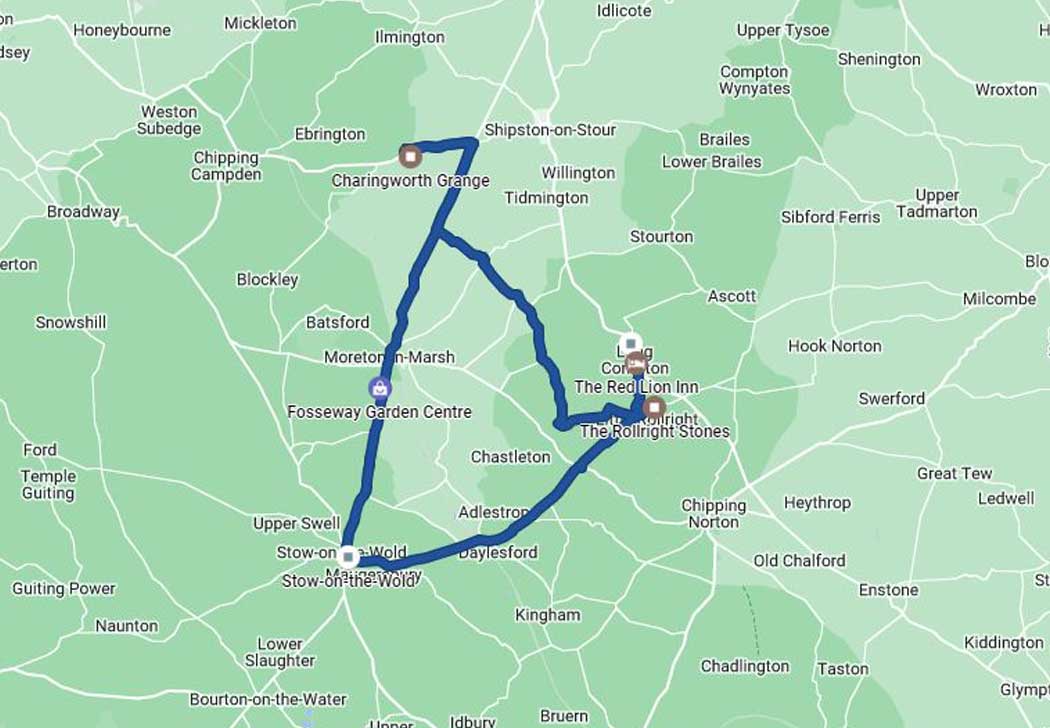
See the map for today’s destinations!

Oakleigh House
Casa de Edwards
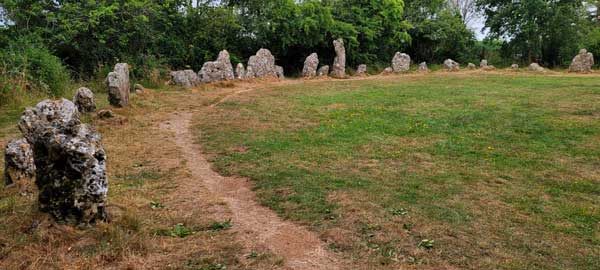
Rollright Stones
Neolithic stone circle and monuments
Stow-on-the-Wold
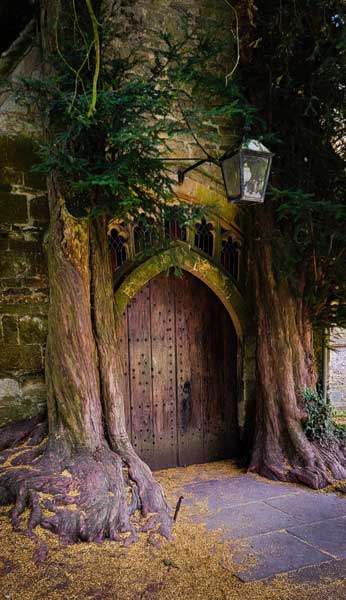
Magical-looking door that inspired JRR Tolkien
Let’s go to where the King couldn’t.
.jpg) Leaving the Rollright Stones, we travel over the ridge and down into Long Compton.
Leaving the Rollright Stones, we travel over the ridge and down into Long Compton.
I feel so accomplished after learning about the Kingstone… guess I’m ready to be king now?
The church of St. Peter and St. Paul in Long Compton is another in the long line of amazing 13th Century churches that I’ve visited throughout the Cotswolds in my many visits here. During my post-visit research, I found a fascinating bit of history about this site:
There may have been a church here as early as the 5th century. Legends have persisted that St Augustine came to Long Compton in the late 6th century, to visit a church that had stood for 150 years.
Since Augustine came to Britain in 597, that would date the earliest church here to the mid 5th century. St Augustine is said to have preached on the site of the church, and while he was here, raised a man from the dead.
Also at this church is probably one of the best-preserved lychgates that I’ve ever seen. A lychgate, also known as a “resurrection gate”, was the main entrance into the church graveyard through which bodies ready for burial would pass.
.jpg)
In the Middle Ages, most people died at home and the bodies were taken to the lychgate (“lych” comes from the old English word for “corpse”) where they would wait for the funeral service. Since that would sometimes occur a day or two later, the bodies were attended by friends or family members while they waited the internment.
.jpg)
It was covered to provide shelter from the elements for both the body and the attendants while they waited.
Walking through and up the path to the main entrance, the walkway is flanked by immaculately manicured “yew balls”. They’re huge – I estimated at least twice my height if not taller, and they escort me right to the front door.
Inside the south porch is a 14th century tomb cover of a reclining woman. It’s extremely worn down and actually hard to make out unless you were told what it was!
.jpg)
.jpg)
.jpg) The interior of this church, though, was SO much brighter than a number of others I’ve visited due to the white-washed walls and huge windows. It’s also surprisingly more open – with the high beautiful wood ceilings spanning the entire church interior.
The interior of this church, though, was SO much brighter than a number of others I’ve visited due to the white-washed walls and huge windows. It’s also surprisingly more open – with the high beautiful wood ceilings spanning the entire church interior.
.jpg)
Intricate stone carvings support some of the arches and a colorful tile mosaic floor dominates the center aisle up to the chancel. Passing the ever-present baptismal font, getting to the chancel itself provided a very lovely sight.
.jpg)
.jpg)
.jpg)
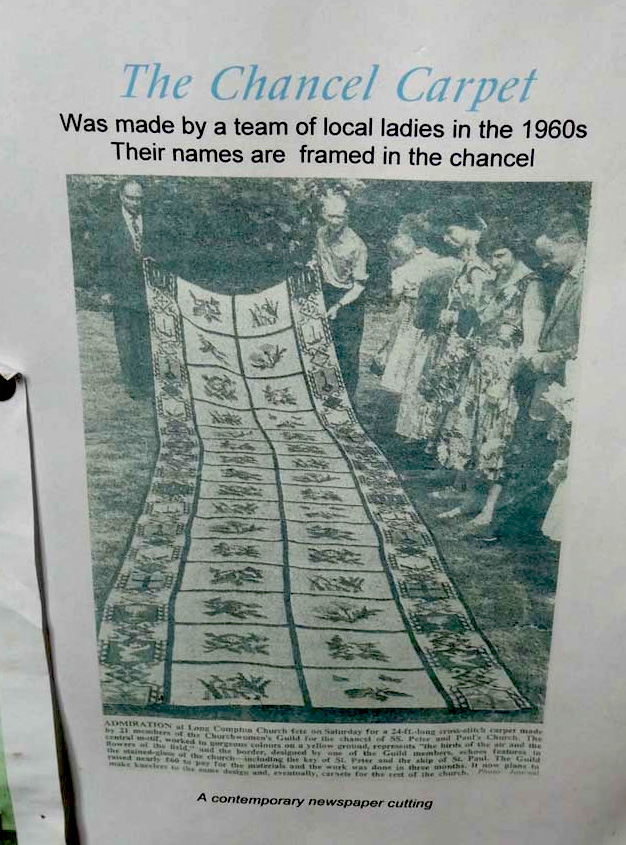
Besides the very impressive stained glass above the altar itself (and it was), there was a needlepoint rug/runner that stretched the entire distance of the chancel up to the altar itself. On the bulletin board on the way out was a scanned copy of the newspaper article about the ladies who made this carpet in the 1960s.
.jpg)
.jpg)
Behind the church was the requisite cemetery, with a mixture of newer intact headstones, older leaning headstones, and more than a few crumbling tomb covers… it always fascinates me to see the different states of care given to these, knowing that the stones are not being ignored, but rather being treated with respect and always looking for non-destructive ways of repair – if repair is needed. Sometimes, the state of the stones is what makes it respectful — it shows the true passage of time, and if they were somehow “made whole” again, they would look too modern and clean and lose some of the historical impact you get when you see them in person. It’s an interesting dynamic, to be sure.
.jpg)
.jpg)
.jpg)
The Red Lion and an inspirational door
.jpg)
Just up the road past the cool-looking Compton Garage was our lunch target for today – The Red Lion Inn.
.jpg)
As another “classic British pub“, it most certainly did not disappoint! I mean the frosted windows said everything I needed to know!
.jpg)
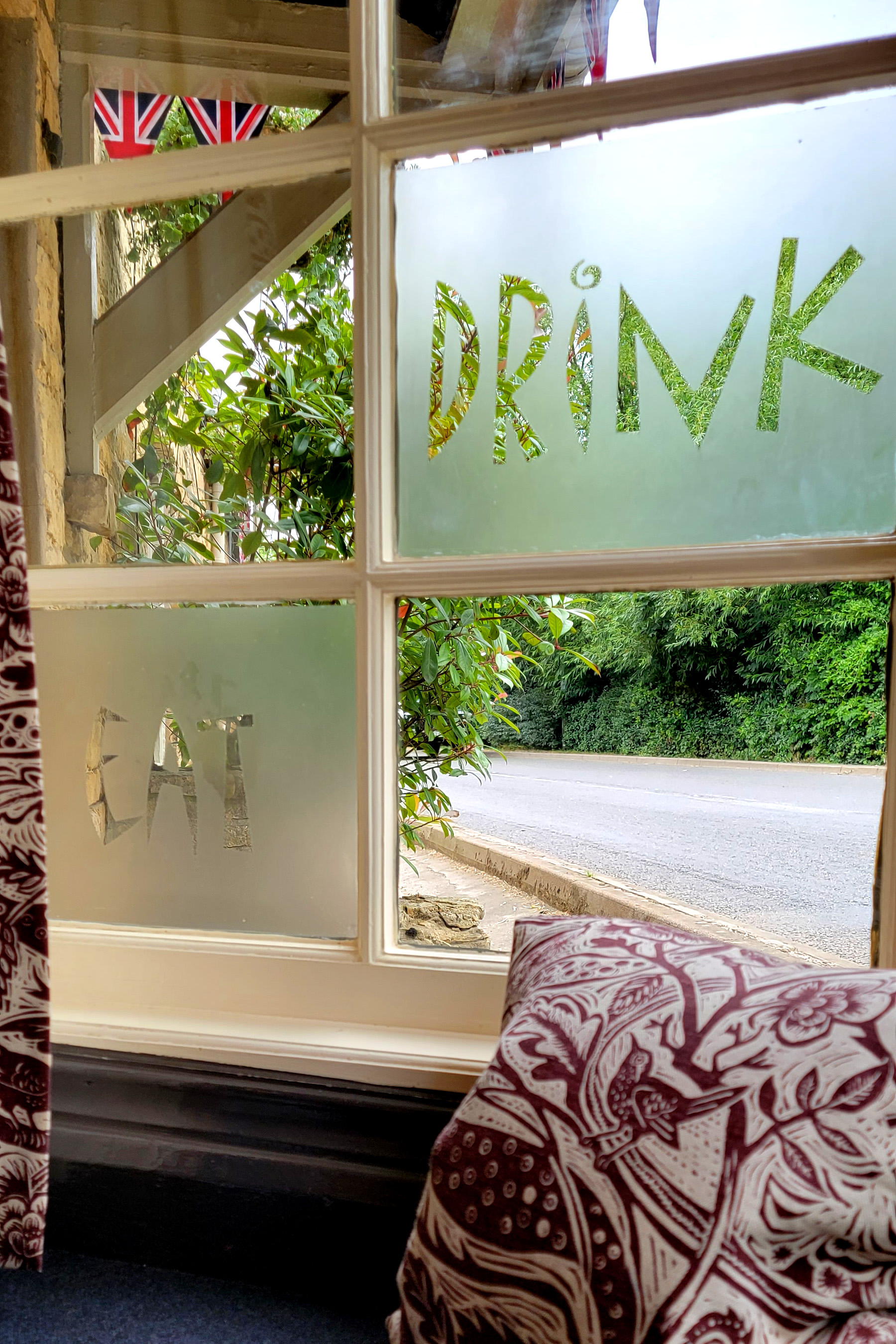
So with a couple of lovely pints and a YUMMY steak and Hook Norton pie (I love British pub food!), it was another opportunity to spend quality time with John, Marianne, and Henry!
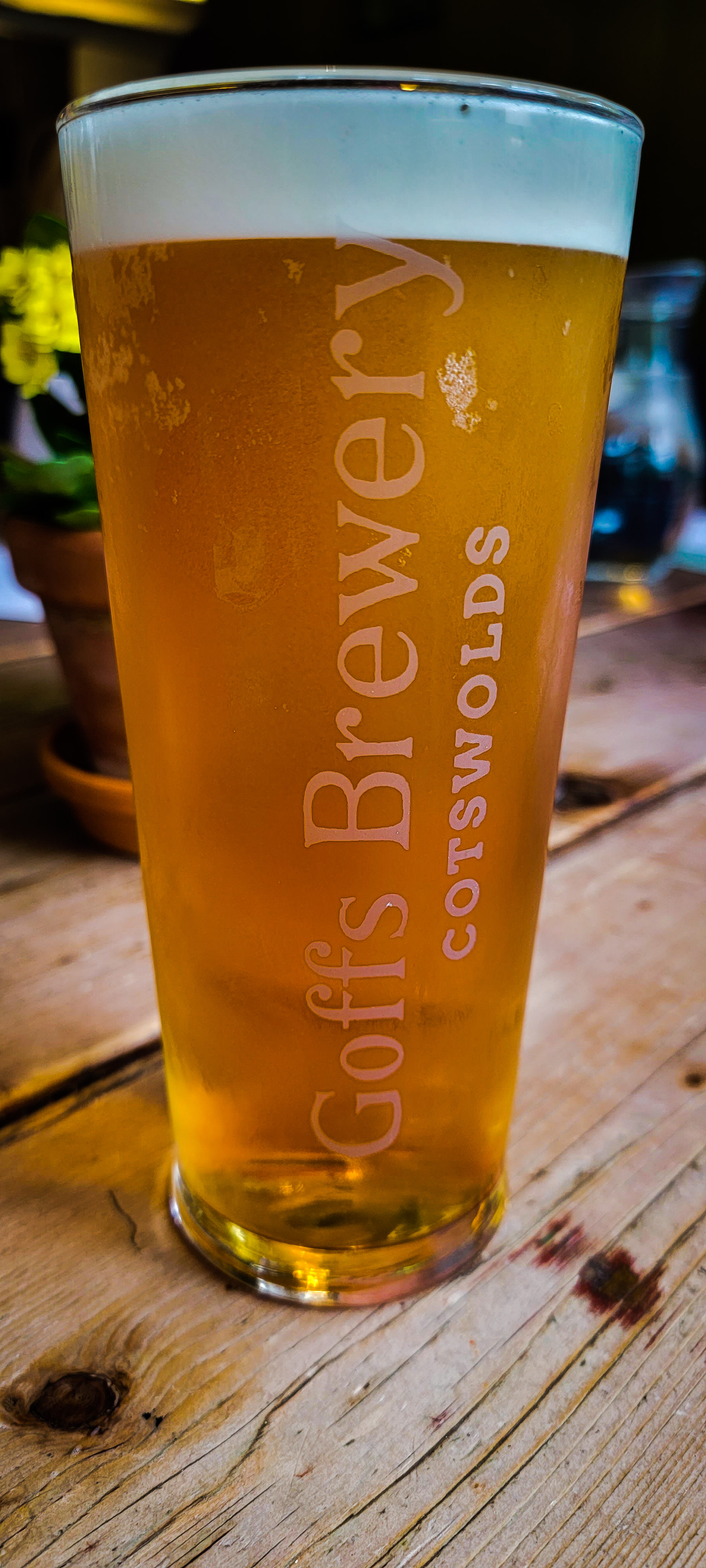
.jpg)

Of course – having an amazing apple and raspberry crumble (with custard, of course!) didn’t hurt my feelings at all!
.jpg)
After all of this, it was time to move on to (yet another) of my “must see” targets for this trip.
In the wonderful (and quite popular) Cotswolds village of Stow-on-the-Wold is St. Edwards church. While the church, from the outside, is a massive and impressive building that I’d seen before on previous visits, there’s a hidden treasure on the far side that has gained Internet popularity over the years since I’ve visited Stow.
.jpg)
.jpg) A side entrance is flanked by two massive Yew trees that have long since grown and become part of the church structure itself.
A side entrance is flanked by two massive Yew trees that have long since grown and become part of the church structure itself.
.jpg)
I end up taking multiple pictures from different angles in an attempt to get “the perfect shot”.
.jpg)
.jpg)
Now, besides the fact that it’s really really cool-looking and fascinating that the trees are actually somewhat fused into the stone, why (you may ask) is this so interesting/important?
Good question! The “local legend” is that this door served as an inspiration to J.R.R. Tolkien to create the Doors of Durin that guard the western entrance to the Mines of Moria. This is a focal element in “The Fellowship of the Ring” novel.
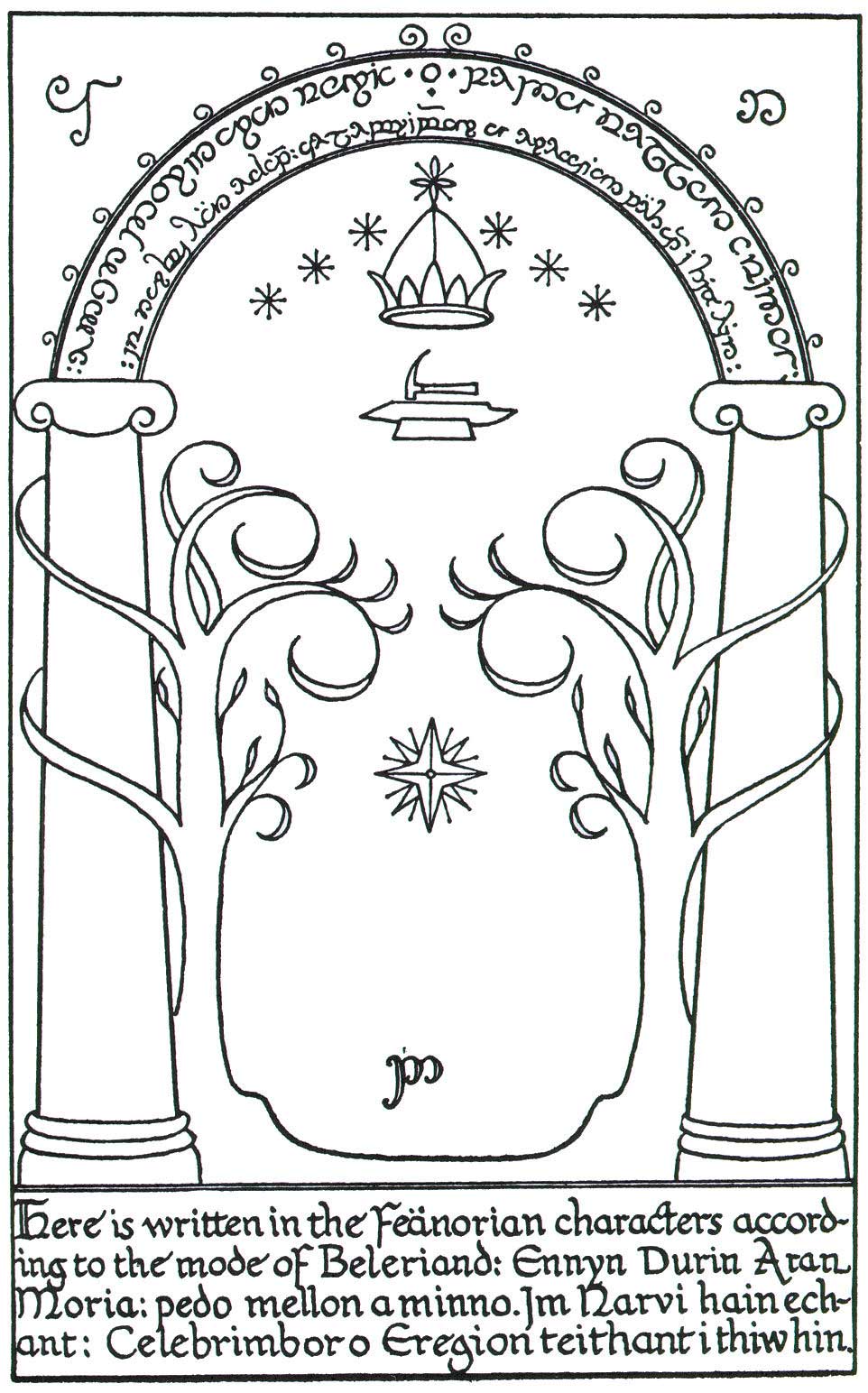
While there’s no concrete proof of this, the resemblance is uncanny and it makes for a great tale, so I’m going with it.
While I was there, several other couples were taking individual photos of each other with the door – so I spent some time volunteering to take photos of them together … like at the Lavender Farm a few days ago, hopefully they’ll remember the “kind American” who captured this moment for them when the look back at their photos!
Inside of St. Edwards (hey look – another medieval baptismal font!) is another impressive Cotswolds church visit. There are three massively impressive stained glass windows here – on the rear wall of the sanctuary, above the altar itself, and on one of the side walls.
.jpg)
.jpg)
.jpg)
.jpg)
.jpg)
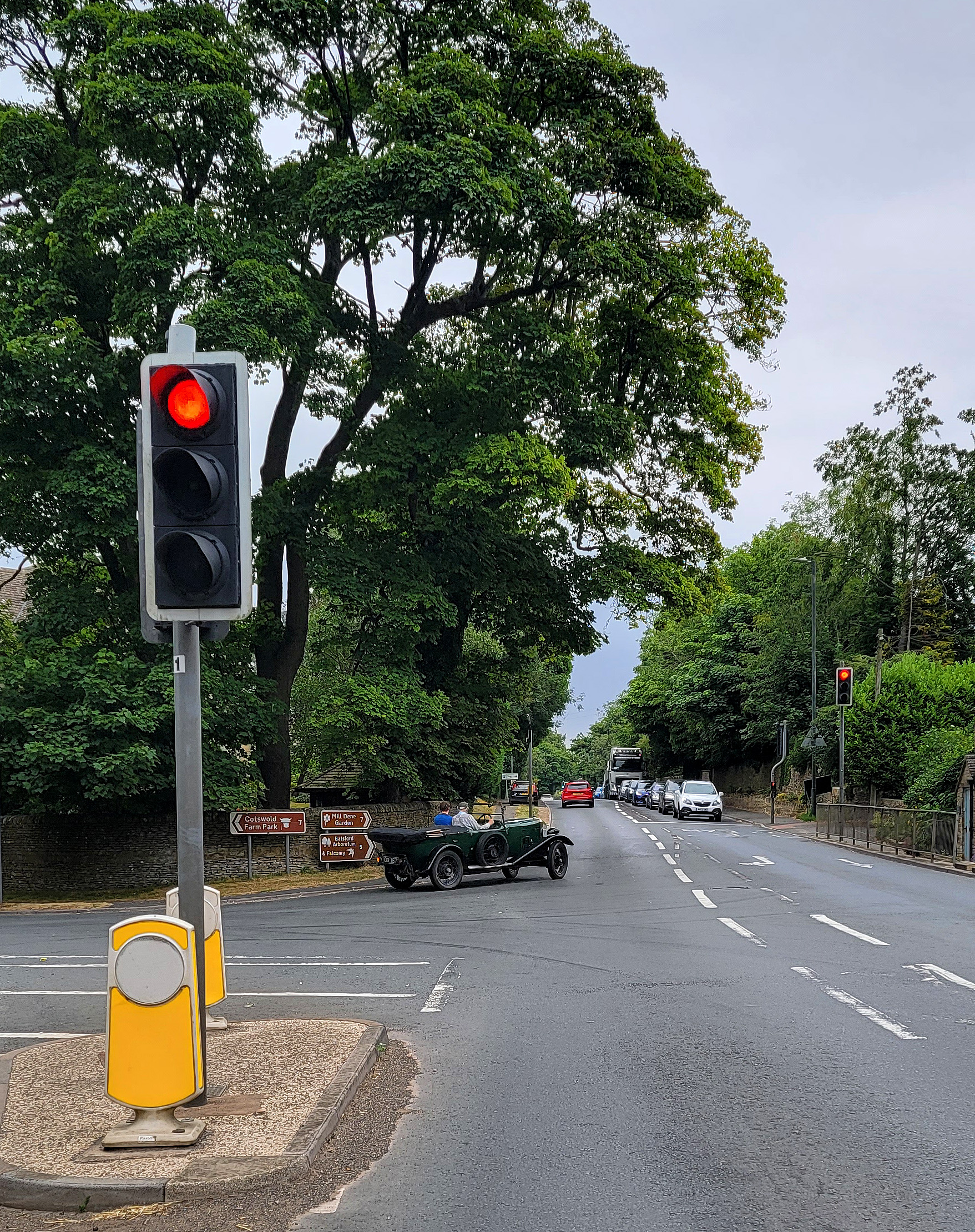
As before, I could’ve spent at least an hour or two here, but it was time for shopping in Stow (got Kathy a Queen’s Jubilee coffee mug!). Throughout the drives today, we noticed an unusually large number of “old cars” out on the road. Turns out that a local “Austin Motor Company” (poetic) car club had been holding a rally and show, so they were all out on the roads. It was really neat to see them… and would have been fun to ride in one outside of the traffic areas! I did manage to get a fun short video of one of the Austin 7 cars on the narrow streets of Stow-on-the-Wold before we left.
A fun stop at the Fosseway Garden Center for some more target-of-opportunity gift shopping (!), and we call it a (LONG) day and head back for Oakleigh House for the evening.


