
Twelve Years
On Console
Why These Stories Matter
For twelve years, I was a Flight Dynamics Officer in NASA's Space Shuttle Mission Control Center. These pages preserve the experiences, the people, the culture, and the lessons of a remarkable time and place, told from the perspective of someone who was there.
No single console flew a mission.
The team did.
Why These Stories Matter
For twelve years, I walked through the doors of Mission Control.
Not as a visitor. Not as a journalist. Not as a tourist.
I walked in as part of the team responsible for bringing spacecraft and crews safely home.
Like a very small and impressive group of other Flight Controllers before me, I spent my days in a room that most people know only through television broadcasts, movies, and photographs. Yet the Mission Control I experienced was often very different from the one portrayed on screen.
It was quieter. More methodical. More disciplined. And ultimately, far more impressive.
The dramatic moments made the headlines, but those moments were rare. Most days were spent preparing, planning, reviewing procedures, studying data, simulating, and solving problems long before they became emergencies.
Mission success was not always the result of a heroic decision made in a crisis. More often, it was the result of thousands of small decisions made correctly and effective habits drilled into us over months and years.

The View From My Console
I joined NASA's Mission Operations Directorate in 1986 and eventually became a Flight Dynamics Officer, or FDO.
The FDO is responsible for trajectory operations: determining where a spacecraft is, where it is going, and how to get it where it needs to be.
During the Space Shuttle Program, that responsibility included launch, orbit operations, rendezvous, docking, undocking, deorbit planning, and landing support.
The position sat at the center of a remarkable network of specialists. Every controller in the room brought expertise in a different discipline, and every successful mission depended on those disciplines working together.
No single console flew a mission. The team did.
More Than Missions
Looking back, the missions themselves are only part of what I remember. I remember the people.
The mentors who taught me. The controllers who challenged me. The friendships formed during long hours, overnight shifts, simulations, launches, landings, and the countless ordinary days in between.
Many of us left Mission Control years ago and moved on to different careers, different cities, and different lives. Yet when we gather today, the conversations pick up almost exactly where they left off.
The shared experience remains. The lessons remain. The friendships remain.
Those years shaped us in ways that are difficult to explain to someone who has never sat in the room.

Why Preserve It?
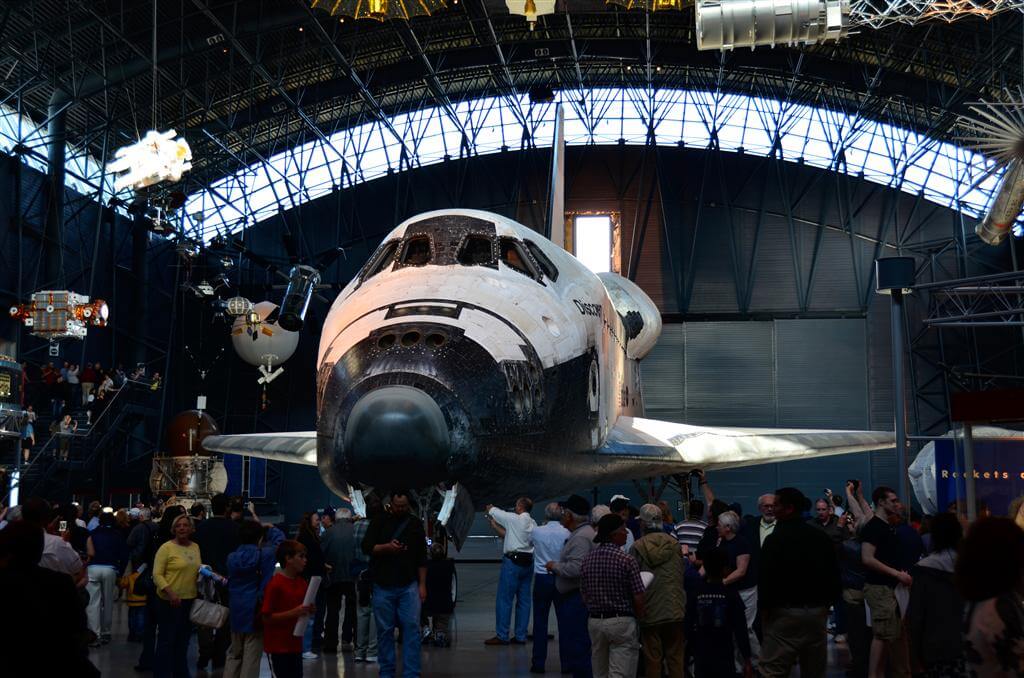
When the Shuttle Program ended, an extraordinary chapter of human spaceflight came to a close.
The control rooms changed. The consoles changed. The technology changed. And inevitably, many of the stories began to fade.
Not the official history. NASA has preserved that exceptionally well. The mission reports, flight timelines, technical documents, photographs, and public records still exist.
What can disappear more easily are the experiences behind those records.
- The culture.
- The personalities.
- The traditions.
- The lessons learned.
- The stories told between shifts.
- The things that never made it into a flight report.
Those are the pieces I wanted to preserve.
What You'll Find Here
This collection is not intended to be a comprehensive history of NASA or Mission Control. Instead, it is a personal archive.
A collection of memories, observations, photographs, explanations, technical insights, and stories from someone fortunate enough to spend twelve years in that environment.
Some pages explain how Mission Control worked. Some explore the people and positions that made it function. Others preserve traditions, artifacts, and moments that might otherwise be forgotten.
A few are simply stories worth telling.
Together, they form a small window into a world that was once my workplace.

The Trench
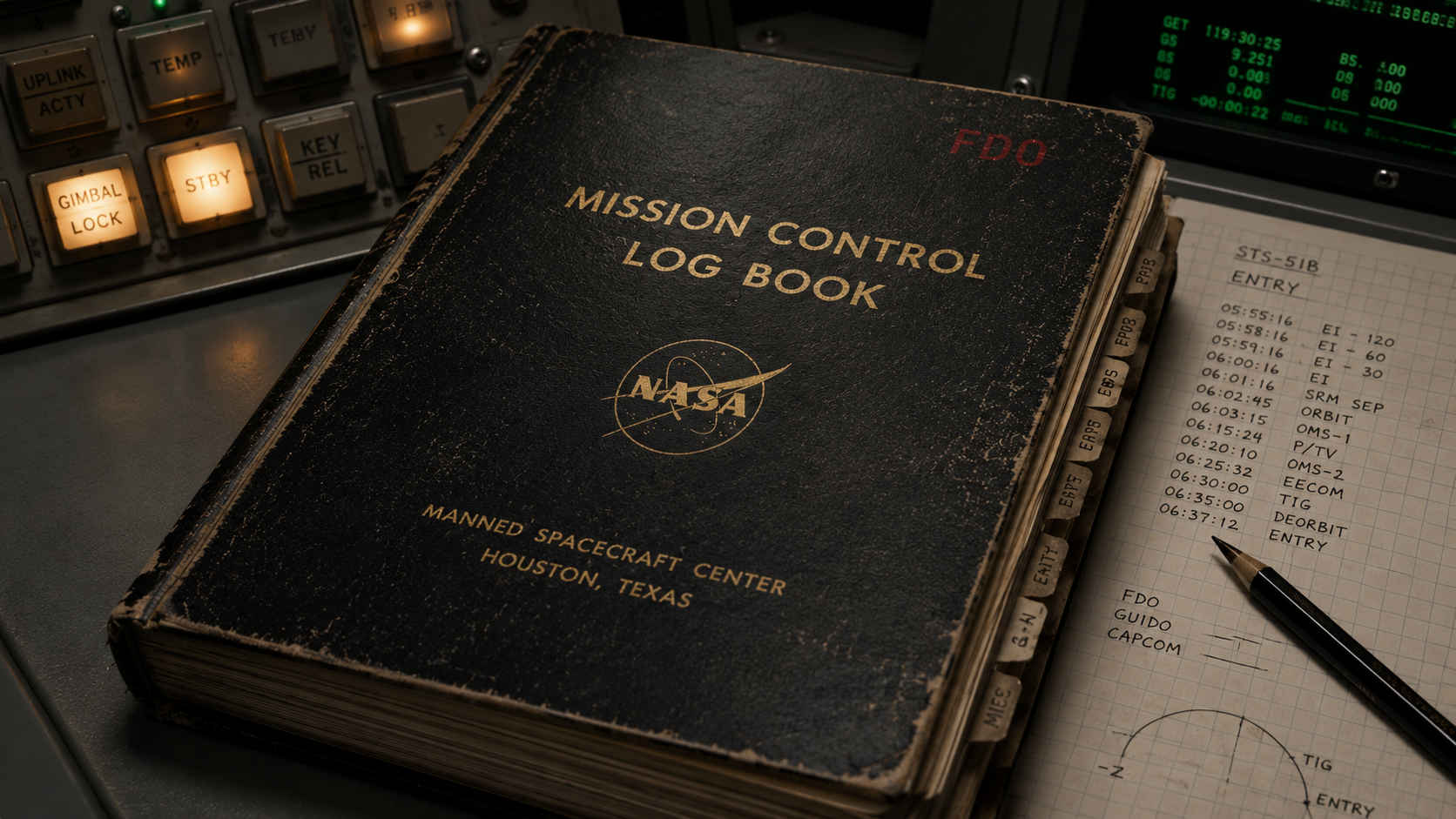
Among Flight Controllers, the front row of Mission Control where the FDO console was located was referred to as "The Trench."
It was where we worked. Where we learned. Where we succeeded. And occasionally, where we made mistakes and learned from them.
Years later, the name seemed appropriate for this collection as well. Not because it is about me, but because it is about the view from that console.
The view of Mission Control as it really was.
The people who made it work.
And the belief that those stories are worth preserving.